
How to Communicate with Your Children’s Book Illustrator So Your Story Comes to Life
If you haven’t hired your illustrator yet, start here: [How to Hire an Illustrator for Your Children’s Book].
But once you’re ready to start working with one — this post is for you.
It can be tempting to put all the creative decisions on the illustrator’s plate, especially if you don’t consider yourself a visual person,
but if you’re really honest with yourself, I’m sure there is something that you picture in your mind when you read your story and if you do your best to describe that to your illustrator, the end result will be closer to what you envisioned.
Because however in tune you are with your illustrator, they cannot read your mind so never fall back on assumptions.
Start With Your Story Vision
Mockup book (As simple as folded computer paper and text chunks taped on each page)
This is an important piece to know your page and illustration count as well as text placement
Determine your page count and the number of illustrations you will need (refer to mockup book)
Where will the text sit on each page (refer to mockup book)
Decide on your book dimensions
What scenes you envision on each page.
Even rough sketches or simple notes help a lot!
Share Character Details
Don’t just describe appearance.
Physical Details:
How old they are
What they look like
What they wear
Emotional Details:
Character’s personality
What that character is going through
What feeling needs to be conveyed
Specific expressions that matter
Use Reference Photos & Mood Boards
You can send:
Real-life inspiration photos
Artwork styles you love
Color palettes
A Pinterest boardUse Reference Photos & Mood Boards
Sketches and notes that you’ve already drafted out
Reference photos of inspiration
Personal photos (ex: people/places/animals you would like certain characters or backgrounds to look like)
Pinterest board highlighting photos of all sorts of things you’d like your book to emulate (ex: illustration style, color palette, composition, etc.)
Talk about your Cover
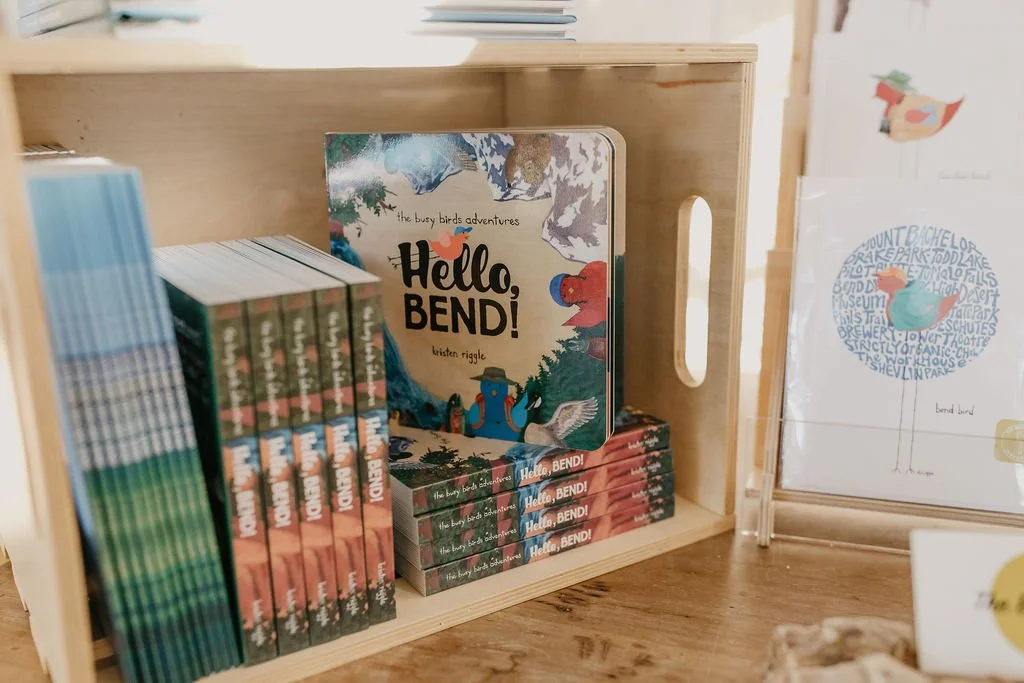
Your cover is marketing.
It should:
Reflect your book’s tone
Be clear at thumbnail size
Leave space for the title
Create visual contrast
Discuss your ideas openly before final sketches begin.
Ensure you get the right image sizes
There are 2 main requirements for best image quality:
Make sure image files are Hi-Res (at least 300 dpi)
Artwork should be made a few inches larger than your desired book dimensions. If your illustrator is working digitally, then you’ll have more flexibility as long as it’s vectorized.
Your illustrator will be so thankful to know about the things you love and hope for ahead of time so that they can either work them in or ask you follow up questions or even have helpful suggestions to run by you before they begin.
Of course the illustrator will naturally have to fill in some gaps, but giving them all these important details will set you both up for a more successful collaboration and provide a better chance of your story coming to life as beautiful as you could have ever imagined!
If you’ve ever thought, “I’m not visual enough to explain what I want,” I promise you — you can learn this.
Inside Publish That Picture Book, I walk you through this entire collaboration process in a clear, organized way so you feel prepared and confident.
Your story deserves to be illustrated well. 💛
Keep Creating!
Kristen
Read Next in This Series:
→ How to Hire an Illustrator for Your Children’s Book (A Step-By-Step Guide for Indie Authors)